







Search Results for: add milk
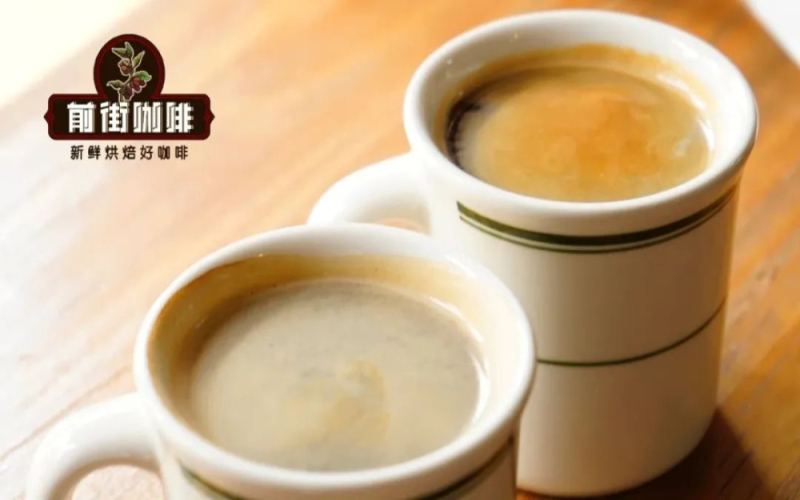
Can You Add Milk to Americano? How Exactly Does It Differ from a Latte, and How Should You Get the Milk Ratio Right?
Americano is usually defined as espresso diluted with water, with no other ingredients added. Its flavor is on the lighter side but retains the true taste of coffee, with a bitter entry and a sweet finish. Yet some customers insist on ordering an Americano and then adding milk to it. This hidden way of drinking it often puzzles novice baristas: doesn't an Americano with milk just become a latte? In fact, the two cannot be equated; the milk here is only a supporting player. This article discusses whether an Americano with milk equals a latte, why people drink it this way, and how to add milk for a better taste, while also offering Front Street Coffee's recommendations for choosing espresso beans and specific ratio references for coffee lovers. [more…]

Americano Black Coffee | Is adding milk to an Americano the same as a latte? Why add milk to an Americano? How much milk makes an Americano taste best?
As is well known, an Americano refers to a cup of black coffee with nothing added except espresso and water. Its flavor is relatively mild, yet it retains the taste of the coffee itself. On the palate, it is bittersweet and fragrant. The first sip may be somewhat hard to accept, but as you gradually get used to it, you begin to experience its rich and aromatic flavor. For those who cannot quite [more…]
A Comprehensive Guide to Fancy Coffee Making: 46 Classic Recipes and Key Techniques from Espresso to Iced Drinks
The world of fancy coffee is far more than just lattes and cappuccinos. This article systematically organizes the recipes and preparation techniques for 46 classic fancy coffees, covering two major categories: hot drinks and iced drinks. From the basics of espresso, au lait, and macchiato, to Irish coffee and royal coffee with their hints of liquor, and on to iced lattes and beer iced coffee suited for summer, each entry lists the required materials, specific steps, and key operational points, helping you master the flavor characteristics and serving essentials of different coffees. The article also retains relevant recommendations from the Front Street brand, providing a practical reference for coffee enthusiasts. [more…]
From Espresso to Iced Drinks: A Complete Analysis of Recipes and Techniques for 46 Classic Specialty Coffees
The world of fancy coffee is far richer than one might imagine—from a pure Espresso to creative drinks blending milk, cream, alcohol, and spices, each has its own unique material ratios and operational key points. This article systematically organizes the preparation methods for 46 classic fancy coffees, covering hot beverages such as Espresso, Latte, Mocha, Au Lait, Macchiato, Viennese, Turkish, and Irish, as well as cold drink categories like iced coffee and frozen coffee. Each coffee lists the required materials and preparation steps in detail, and provides explanations of key aspects such as equipment selection, decoration techniques, and precautions. Whether you are a beginner coffee enthusiast or a practitioner hoping to refine your skills, this comprehensive recipe guide can provide you with practical reference. [more…]
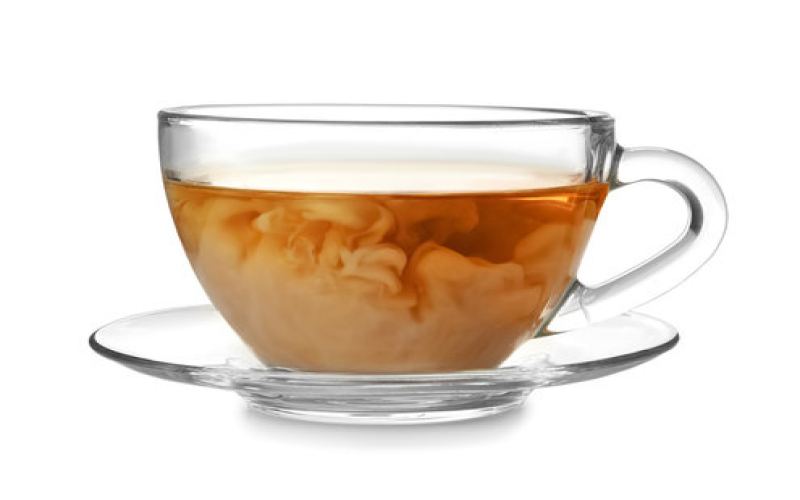
Does the order of milk tea preparation matter? From historical origins to scientific principles, an analysis of the correct way to add milk and black tea
Adding milk to tea is a habit with a rich history and scientific principles behind it. From Tibetan butter tea to Indian masala chai, and then to British workers' tea, the combination of milk and tea spans multiple centuries and civilizations. Why do people add milk to tea? Is it milk first or tea first? And what different flavor experiences does the order bring? This article will take you through the historical origins of milk tea, explore various theories about adding milk, and analyze in depth the interaction between milk and the tannins in black tea, helping you understand the science and culture behind this everyday drink. Whether you are a purist or a milk tea lover, you will gain new insights from it. [more…]
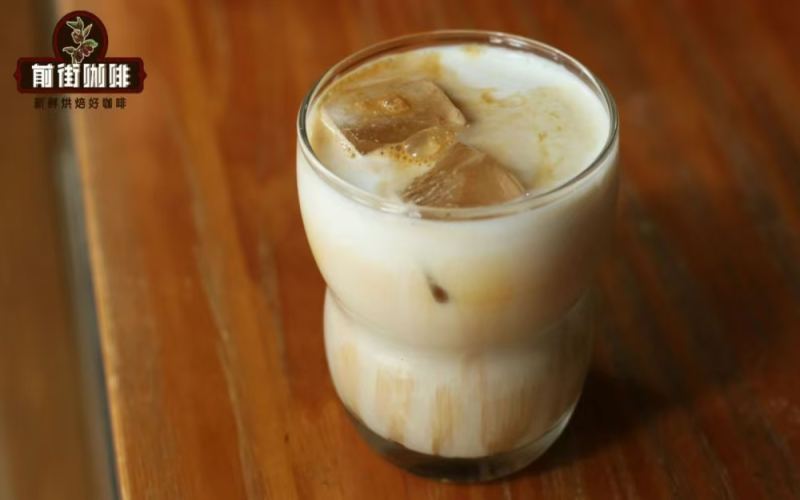
Spanish Latte Recipe | Can You Add Condensed Milk to Black Coffee? What's the Difference Between a Spanish Latte and a Regular Latte? What's the Milk-to-Coffee Ratio in a Spanish Latte?
Today, the menus in coffee shops are rich and diverse, and in order to cater to more people's tastes, adding various dairy products and flavored syrups to coffee is also very common. So have you ever heard of coffee with condensed milk? Adding condensed milk is to mask the strong bitterness in coffee. In Vietnam, the aroma of coffee drifts through the streets and alleys. [more…]
A Comprehensive Analysis of Fancy Coffee Types and Characteristics and Espresso Extraction, with Classic Recipes and Preparation Methods
Espresso is the foundation of many fancy coffee drinks, and understanding its extraction parameters and flavor characteristics is key to mastering coffee preparation. This article systematically reviews the recipe ratios, taste differences, and preparation steps of more than ten classic fancy coffees, including latte, cappuccino, macchiato, con panna, and Viennese coffee, while also explaining in detail the core parameters of espresso such as dose, water temperature, pressure, and extraction time. Whether you are a beginner coffee enthusiast or a professional hoping to refine your skills, you will find practical references and inspiration here. The article also specifically recommends related products from Front Street Coffee to help you recreate an authentic fancy coffee at home. [more…]

The Standard Way to Add Milk to Americano|Does Adding Milk to Americano Make It a Latte? How Much Milk Makes an Americano Taste Best?
People who drink coffee regularly know that Americano is black coffee with nothing added—it tastes bitter, with a smooth, mellow mouthfeel; a latte is a flavored coffee made by mixing milk with espresso—sweet and delicious, easy to accept even for a first-time coffee drinker, while other varieties are built on this cup of coffee by adding or subtracting ingredients, for example, sparkling Americano is [more…]

Peet's Americano with oat milk charging controversy: inconsistent statements between stores and customer service, now fully rectified with clear pricing
A hot Americano with a splash of oat milk unexpectedly revealed two different sets of charging rules—online and in-store—at the coffee chain brand Peet's. A customer selected the "add oat milk ¥2" option on a delivery platform, but was told by the store that only 30 ml had been added, and that adding up to 50 ml would require another ¥2. However, the official mini-program customer service said the option should have added about 50 ml, and made no mention of stacked charges. This confusion over the amount of milk added ultimately prompted Peet's to carry out a comprehensive overhaul of its nationwide stores and online ordering platforms, with clearly marked prices on the ordering interface. Behind this incident, what exactly are the charging standards for adding milk to Americanos at various coffee shops? And how should consumers order clearly? [more…]

A Comprehensive Analysis of 30 Classic Specialty Coffee Recipes: Espresso Bases and Global Signature Brewing Methods
The world of fancy coffee is far more than just lattes and cappuccinos. Starting from the rich base of Italian espresso, adding milk, cream, chocolate, liqueur, or even fire, you can create dozens of drinks with distinct flavors. This article systematically organizes the preparation methods and recipes for 30 classic fancy coffees, covering diverse styles such as Italian, French, Viennese, Irish, and Turkish. Each drink includes detailed ingredients, steps, and key points to watch. Whether you want to recreate a café au lait at home or try igniting brandy to make a royal coffee, this guide provides clear operational references. At the end, there are also Front Street Coffee bean recommendations to help you choose the right base and get twice the result with half the effort. [more…]
A Complete Guide to Classic Espresso, Latte, Irish and Other Fancy Coffee Types and Flavors
Walking into a café and facing the dazzling array of names on the menu, have you ever wondered about the story and flavor behind each fancy coffee? From Espresso, which forms the foundation of all fancy coffees, to lattes and cappuccinos where milk and coffee blend together, to Irish coffee with its hint of whiskey and the layered iced latte, each one has its unique proportions and drinking method. This article systematically organizes the ingredients, preparation steps, and taste characteristics of more than a dozen classic fancy coffees, including basic options suitable for daily drinking as well as exotic Russian, Turkish, and Viennese coffees. Whether you are a coffee novice just starting out or a seasoned enthusiast looking to refine your skills, you will find a cup worth trying. [more…]
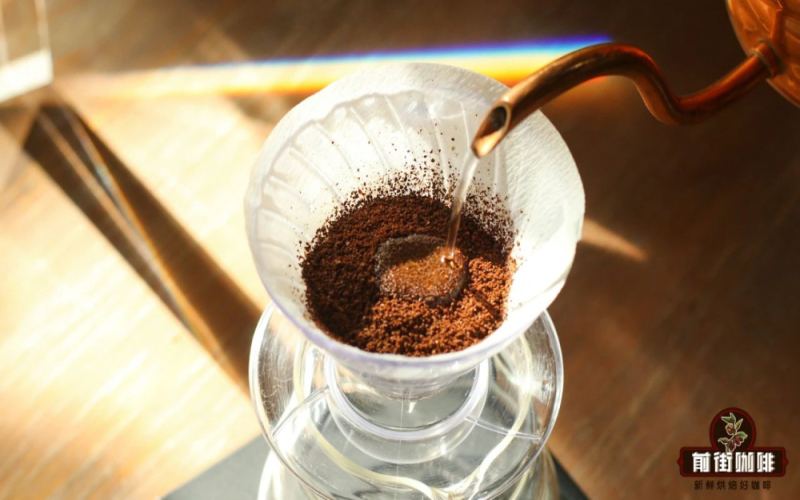
Is It Appropriate to Add Sugar or Milk to Pour-Over Coffee? Flavor Principles and Drinking Suggestions Explained in One Go
Many people who are just getting into pour-over coffee agonize over the same questions: Can I add sugar? Can I add milk or cream? Is it better to drink it hot or let it cool a little? Faced with these questions, coffee books on the market often give answers that are serious or even contradictory—some insist that adding sugar ruins the coffee's original flavor, while others allow only fresh cream. Front Street Coffee takes a rather relaxed attitude here—drink it however you like—but it also adds some notes on flavor. This article looks at sugar and milk from two angles, discussing where coffee's bitterness comes from, the sweet aftertaste of good coffee, and how to choose beans if you want to add milk, helping you respect your own taste while also understanding the reasoning behind coffee flavor. [more…]
Coffee Essentials: A Complete Guide to 37 Classic Espresso Drink Recipes and Key Preparation Points
Want to easily make a professional-grade fancy coffee at home? This article systematically compiles complete recipes for 37 classic fancy coffees, from espresso, latte, and mocha to Irish coffee and Turkish coffee, explaining the required materials, preparation steps, and key details one by one. Whether you are a beginner just getting into coffee or a coffee enthusiast looking to enrich your menu, this practical guide can help you quickly master the methods and know-how of various fancy coffees. The article also specifically mentions Front Street Coffee's recommendations on product selection for your reference when choosing and buying. [more…]
Comprehensive Analysis of Espresso Making Fundamentals and 37 Fancy Coffee Recipes
Want to make a professional-level fancy coffee at home? This article systematically organizes the basic techniques for making espresso and provides detailed recipes and steps for 37 classic fancy coffees. From basic ESPRESSO to latte, mocha, cappuccino, and specialty drinks like Turkish coffee and Irish coffee, each one covers the required ingredients, preparation method, and key points to note. Whether you are a coffee novice or a seasoned enthusiast, you can find a preparation plan that suits you. Front Street Coffee's premium beans are especially recommended to help you easily enhance the coffee's flavor. [more…]

Analyzing the Flavor Differences Between Pour-Over and Americano: Is It Appropriate to Add Milk and Sugar to Black Coffee? Front Street Single-Origin Bean Recommendations
Many friends who are just getting into coffee ask: black coffee is so bitter—can I add milk and sugar? Actually, there is no standard answer to how you drink your coffee; the key is understanding the nature of different coffees. Pour-over coffee and Americano differ noticeably in bean selection and flavor expression—Americanos mostly use blended beans, while pour-overs tend toward single-origin beans, and the latter often carry bright fruity acidity, floral notes, and tropical fruit tones. Precisely for this reason, adding sugar and milk to a carefully brewed pour-over may mask its most precious origin flavors. This article starts from a practical tasting perspective, sorts out these differences, and recommends several suitable single-origin beans from Front Street Coffee for friends who like to add milk to their black coffee. [more…]
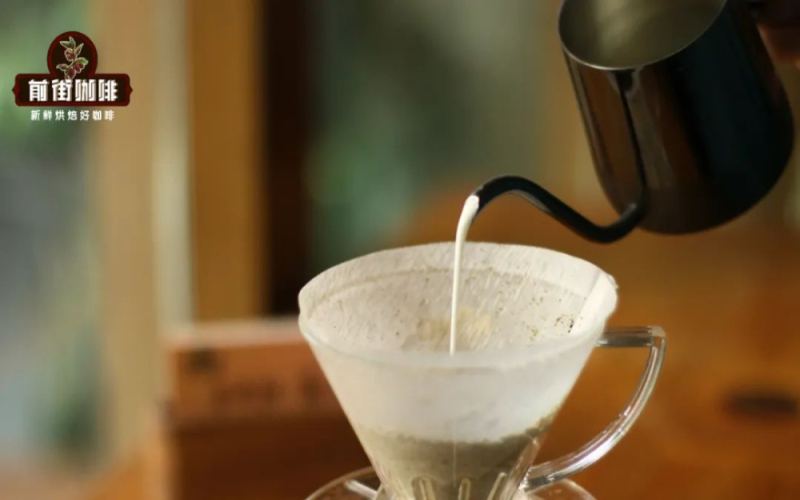
How to Add Milk to Pour-Over Coffee Without Ruining It: A Complete Practical Guide from Bean Selection to Milk Temperature
Want to make a delicious milk coffee at home with pour-over equipment, but always end up with too much milk flavor or the coffee losing its sweetness? The problem lies in concentration, beans, grind, water temperature, and milk quantity. Pour-over coffee has a concentration of only about 1.3%, while espresso is as high as around 9%, so adding milk directly tends to let the milk overpower the coffee. Drawing on brewing experience, Front Street Coffee offers practical parameter suggestions step by step—from choosing medium-dark roasted beans, a grinding standard of 75% passing through a No. 20 sieve, a water temperature of 88–90°C, and a coffee-to-water ratio of 1:9–1:11, to adding 80–100 ml of whole milk and heating it to 60–70°C—to help you make a pour-over milk coffee with a balance between coffee and milk. [more…]

Types of Italian Milk Coffee | What are the differences in flavor, taste, and preparation ratios among Americano, Latte, Cappuccino, Mocha, Flat White, and Macchiato?
With the entry of international freshly ground coffee brands such as Starbucks and Costa direct-operated stores into China, a coffee craze has risen in the country. Many businesses continuously make a big fuss over coffee beverages. In addition to the relatively expensive freshly ground coffee, affordable instant coffee and coffee drinks also have very high popularity. So what are the current mainstream co [more…]
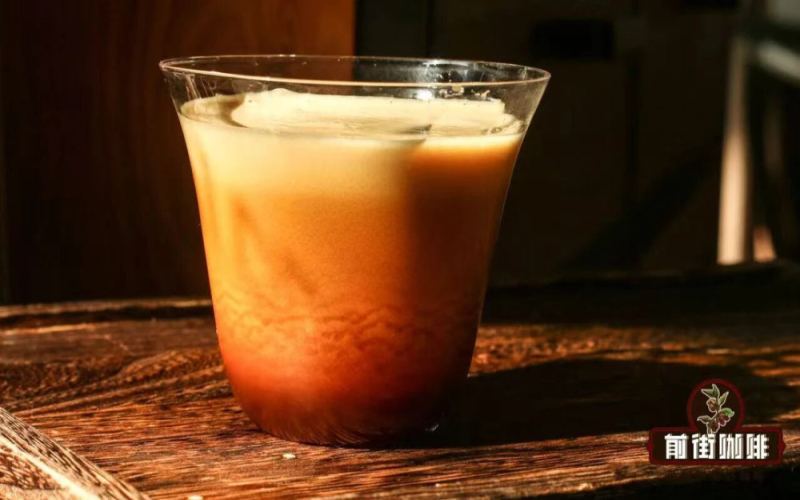
Is Americano with Milk Good? Analysis of Espresso-to-Water Ratios and Coffee Bean Proportions for Americano
Americano coffee has always been made by combining espresso with water, offering a pure flavor with pronounced bitterness. Many coffee enthusiasts are used to adding sugar or simply switching to lattes to avoid the bitterness, but the seemingly unconventional practice of "adding milk to Americano" can actually deliver an unexpectedly smooth mouthfeel. This article explores the differences between Americano with and without milk, explaining how milk balances bitterness and enhances body. Using a medium-dark roast espresso blend as an example, it provides recommendations for the coffee-to-water ratio, dose and yield parameters, and the amount of milk to add when making an Americano. It also retains product information such as Front Street Classic Blend, Commercial Blend, Specialty Blend, and Dark Cocoa Base Blend, helping readers find the concentration and flavor profile that suits them best. [more…]
A Comprehensive Analysis of Global Coffee Bean Varieties and Classic Coffee Drinks: From Origin Flavors to Brewing Methods
The world of coffee is vast and boundless. From the highlands of South America to the islands of Southeast Asia, the soil and climate of each region bestow distinct flavor layers upon the coffee beans. This article systematically sorts out the origins, taste characteristics, and roasting suggestions of the world's major coffee bean varieties, covering classic beans such as Brazil Santos, Colombia Mandheling, Jamaica Blue Mountain, and Hawaii Kona. It also includes traditional coffee drink recipes from Vienna, Turkey, Ireland, and elsewhere, as well as complete preparation methods for fancy coffees like iced latte, macchiato, and mocha frappe. Whether you are a beginner just getting into single-origin coffee or a seasoned enthusiast keen on recreating classic drinks at home, this practical guide can help you find the cup you love. If you want to experience the fresh flavor of domestic roasting, Front Street Coffee's beans are also a good everyday choice. [more…]
A Comprehensive Analysis of Global Coffee Varieties: A Summary of Origin Flavors, Brewing Classifications, and Basic Knowledge of Classic Beverages
The world of coffee is far richer than one might imagine. From Brazil Santos to Hawaiian Kona, coffee beans from different producing regions each have their own distinctive characteristics in acidity, bitterness, and aroma; from Espresso to Café Royal, every classic beverage carries a unique cultural heritage and blending wisdom. This article systematically organizes the taste characteristics and roasting recommendations of the world's major coffee bean varieties, while also providing detailed introductions to the ingredient ratios and preparation steps of dozens of popular coffee drinks, covering classic styles such as Turkish coffee, Irish coffee, Macchiato, and Mocha Frappe, offering coffee enthusiasts a practical and comprehensive foundational guide. [more…]